




RUDN ecologist Anna Kurbatova becomes the only speaker from Russia at the WtERT World Congress in China
Waste-to-energy facilities are increasingly important to improve energy efficiency and meet climate change goals. Over the past 15 years, China has made tremendous progress in phasing out waste disposal in landfills, with 648 plants thermally processing more than 804.67 thousand tons of waste per day.
According to the United Nations Environment Program (UNEP), “reducing methane emissions is the strongest lever we have to slow climate change over the next 25 years.” Reducing emissions of short-lived climate pollutants such as methane is more effective than reducing CO2 emissions.
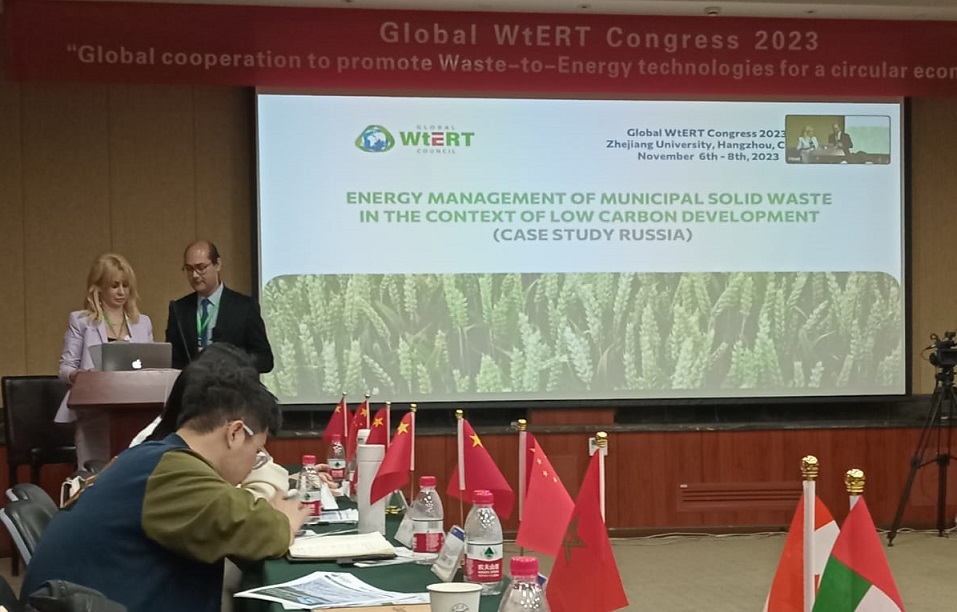
“An important problem facing the humanity is how to reduce waste and conserve land resources. What to do with the waste that is already buried in huge quantities in the ground over vast territories, and which harms all components of the environment and humans? These questions were the main topics of discussion at the Congress,” Anna Kurbatova.
Over the past 10 years, China has achieved the complete closure of all landfills through the introduction of waste-to-energy incineration plants. Chinese technologies make it possible to burn even mixed waste with a high level of humidity, while achieving almost zero emissions of pollutants into the atmosphere. Russia’s policy in this area is separate waste collection and further material and energy recycling.
“I was not only the only speaker from RUDN University, but also from Russia. My report ‘Energy management of municipal solid waste in the context of low carbon development’ is dedicated to the development of a low-carbon economy in the field of waste management in Russia. In my speech, I addressed the following questions: what challenges are we facing? How can we reduce greenhouse gas emissions in waste management? Will the introduction of energy-based waste recycling help achieve targets for reducing the share of landfilled waste by 2030?
I cannot say whether the world will become a better place thanks to my research, but understanding the situation and the opportunity to apply Chinese experience in the field of energy recycling can certainly be expected in the future.
This is my third trip to China. Previously, I was there during the cooperation of BRICS universities, then at the invitation of the Chinese Ministry of Education. I was amazed by the transformation of the country that occurred during the pandemic. Clean cities, clean air, complete digitalization of all services. The Chinese have the whole world on their mobile phones. They have forgotten what cash and plastic cards are, using only QR codes. The people themselves are very hospitable and friendly, and there is mutual respect for each other.
At such international events I receive a lot of new information, and I am overwhelmed with the desire to tell students everything as soon as possible. Upon returning from the trip, I already gave a lecture ‘From waste to energy’ for the participants of the USCO winter school.
And, of course, the Congress is an opportunity to establish contacts with leading scientists and industrial partners for joint scientific research,” Anna Kurbatova.
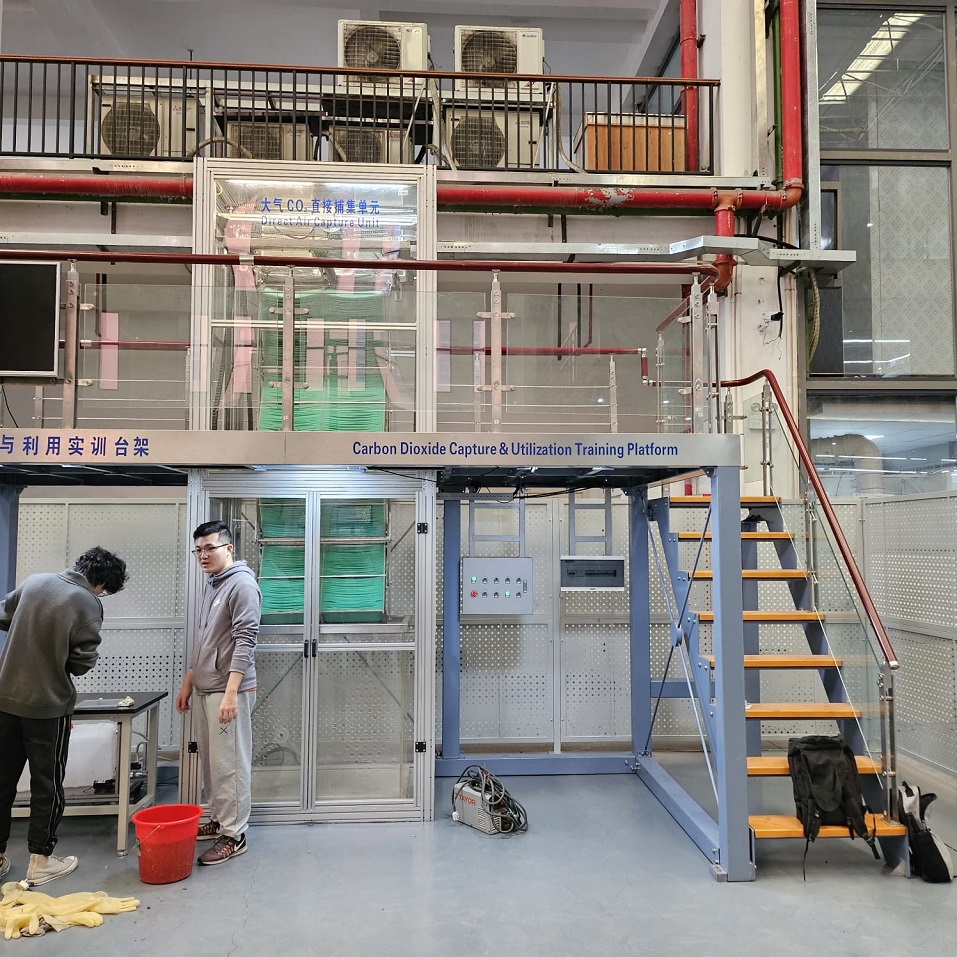
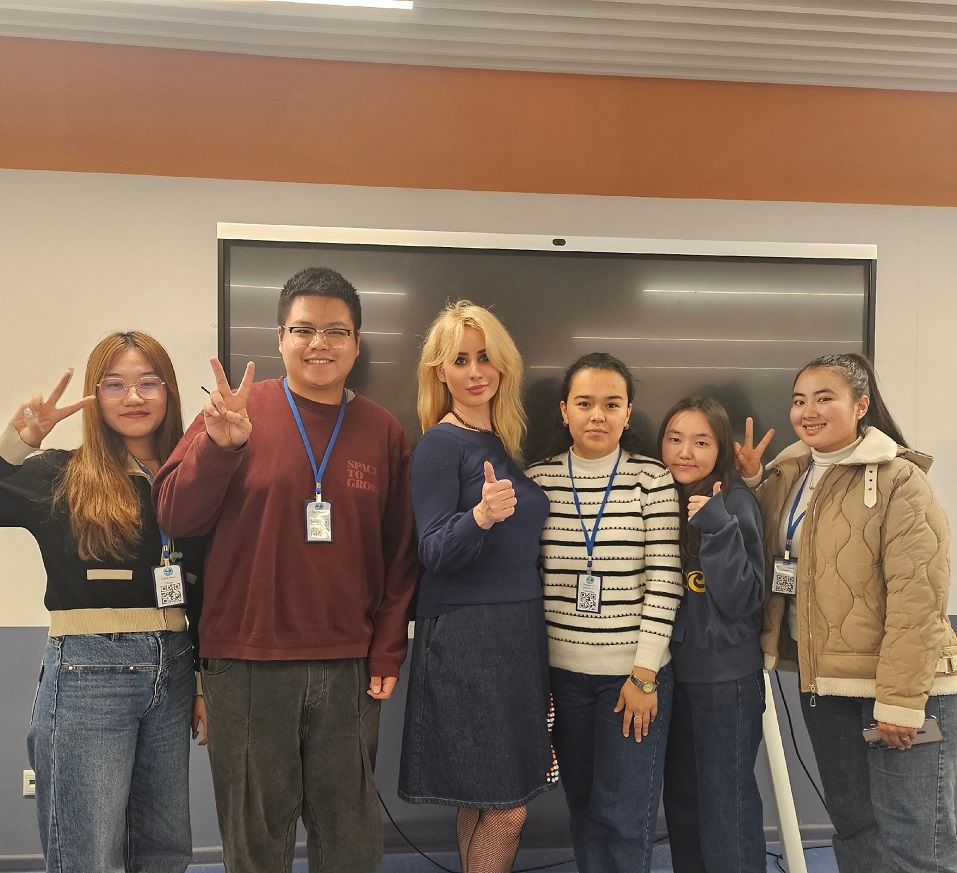
In the last five years, academic staff of RUDN alongside the Chinese universities and research centers has achieved impressive results. More than 1,000 scientific publications were made jointly in a wide spectrum from engineering and technology to medicine and social sciences. 19 of these materials were published in top-rated journals which verifies that the works were world-class level.
RUDN University has been included among the leaders in the BRICS ESG University Ranking among 65 leading universities. They were assessed on 20 criteria, ranging from education and research to environmental and social agendas.
At a meeting of the new RUDN University Dissertation Council in the specialties of 2.1.12 “Architecture of Buildings and Structures. Creative Concepts of Architectural Activity” and 2.1.11 “Theory and History of Architecture, Restoration and Reconstruction of Historical and Architectural Heritage”, three postgraduate students — Natalia Kalinina, Evgeny Ogienko, and Yulia Loginova — were awarded PhD degrees in Architecture for the first time in the university's history.