




RUDN University future doctors and economists present projects at the international scientific festival “Ot Vinta! (Off we go)”
Institute of Medicine
Project “International Research Team: Learning to Work Together (International Medical Science Incubator)”.
Supervisor — Elena Kaverina, PhD (Medical Sciences), Associate Professor, Department of Public Health, Health Care and Hygiene of the Institute of Medicine.
What is the benefit of your project and why did you choose this topic?
On the one hand, we want to mold researchers starting from school, so that they actively develop medical science at the international level. On the other hand, we propose to use the experience of creating international research teams.
At the university, we have an opportunity to work with students and scientists from different countries. Our team brought together people from all over the world — Europe, Asia, Africa, Latin America and the Middle East —it’s a real friendship of peoples! Working in an international scientific team gives us invaluable experience, each participant bringing something of his own.
What is the team’s “scientific” dream?
We want as many young people as possible to be actively involved in science and become innovators. We want to make science attractive to a wide range of potential young scientists and create the necessary conditions for its development.
How will your project make the world a better place or help people?
The more scientists, the better the quality of life of each person becomes, due to their research and development. Science must be for life.
Team:
- Musonda Ketura (Zambia) — “General medicine”, 5th year;
- Jayasinghe Khavpage Manuli Gayathma (Sri Lanka) — “General medicine”, 5th year;
- Arnus Mayas (Syria) — “General medicine”, 5th year;
- Ghosh Debraj (India) — “General medicine”, 4th year;
- Estiliana Gyata (Albania) — “General medicine”, 4th year;
- Lyudmila Lepeshkina (Russia) — “General medicine”, 5th year;
- Joseph Meritsa Dominik (Haiti) — “General medicine”, 5th year;
- Farhod Sidikov (Tajikistan) — " General medicine ", 3rd year.
Faculty of Economics
Project “Russia in the African Grain Market: Solving the Problem of Food Security”.
What is the benefit of your project and why did you choose this topic?
We reviewed indicators of the current state of the global food security in Africa. We conducted a study to find out which countries in Africa need import of Russian grain most of all, and what features of development should be taken into account.
What is the team’s “scientific” dream?
Our goal is to contribute to Russia’s international economic relations with African countries.
How will your project make the world a better place or help people?
Access to safe food is a basic human right, with priority being given to the most vulnerable. Beyond basic nutrition, food security is linked to economic stability, public health, human empowerment, and the environment. Our study reveals the contribution that Russia is making to solving the African food problem.
Team:
- Kasonde Aaron Mwewa (Zambia) — “International Trade”, 1st year master’s degree;
- Chanda Bwalya (Zambia) — “International economic relations and foreign economic activity”, 4th year;
- Diallo Abubakar Sidi (Guinea) — “International economic relations and foreign economic activity”, 4th year.

Team of the Institute of Medicine

Elena Kaverina

Musonda Ketura
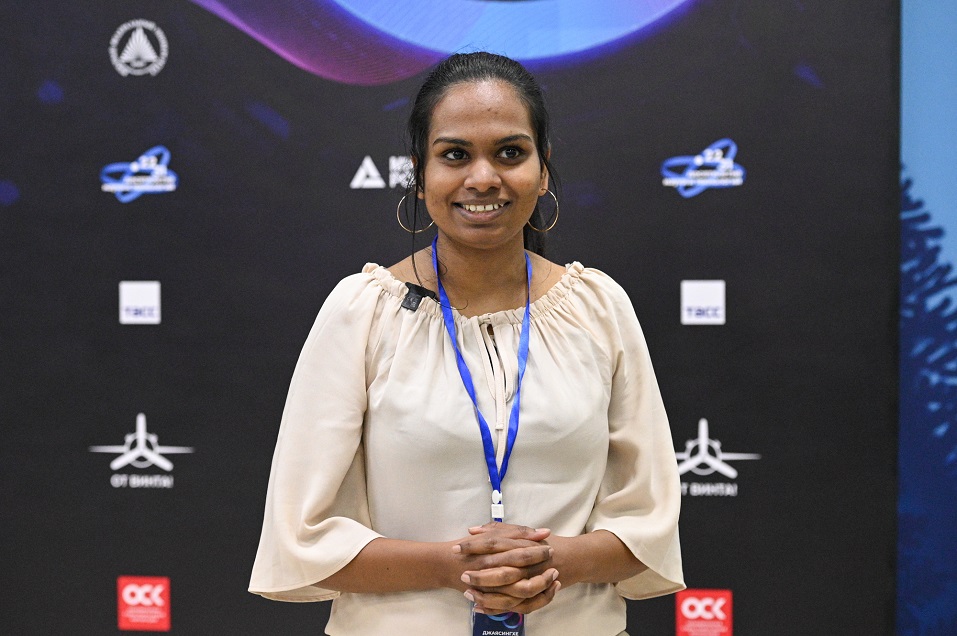
Jayasinghe Khavpage Manuli Gayathma

Arnus Mayas
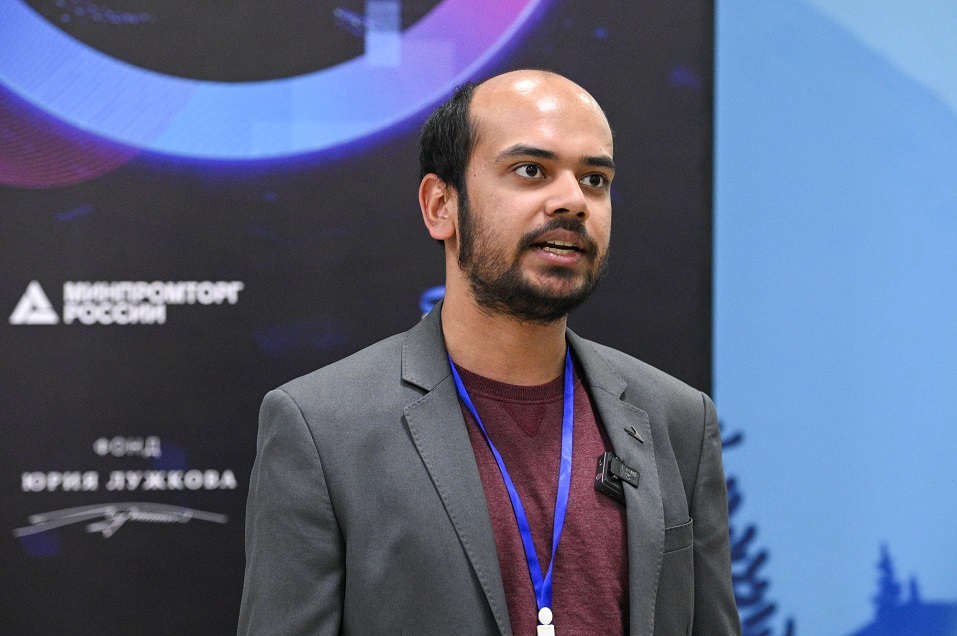
Ghosh Debraj
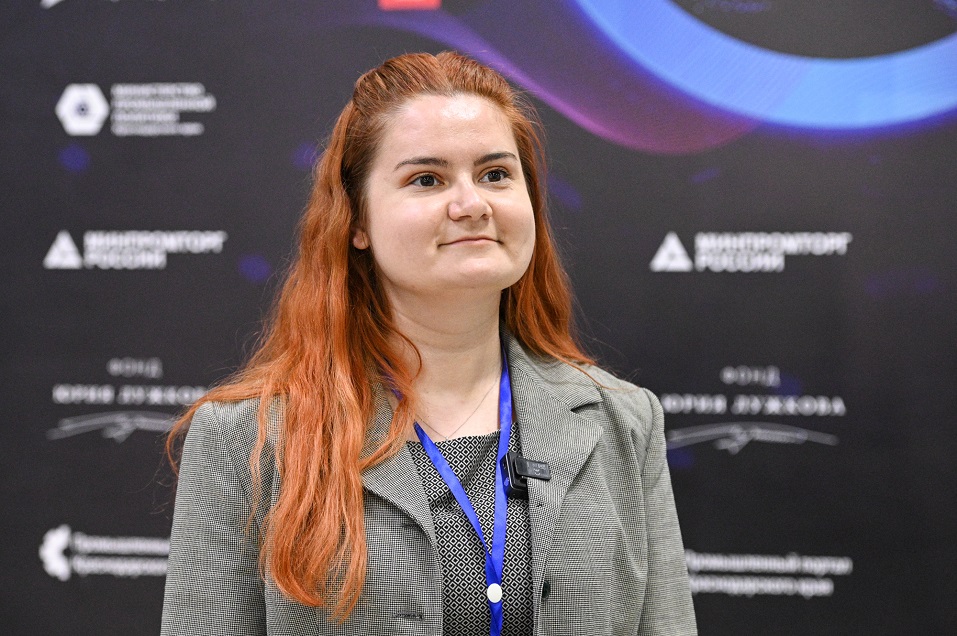
Estiliana Gyata

Lyudmila Lepeshkina
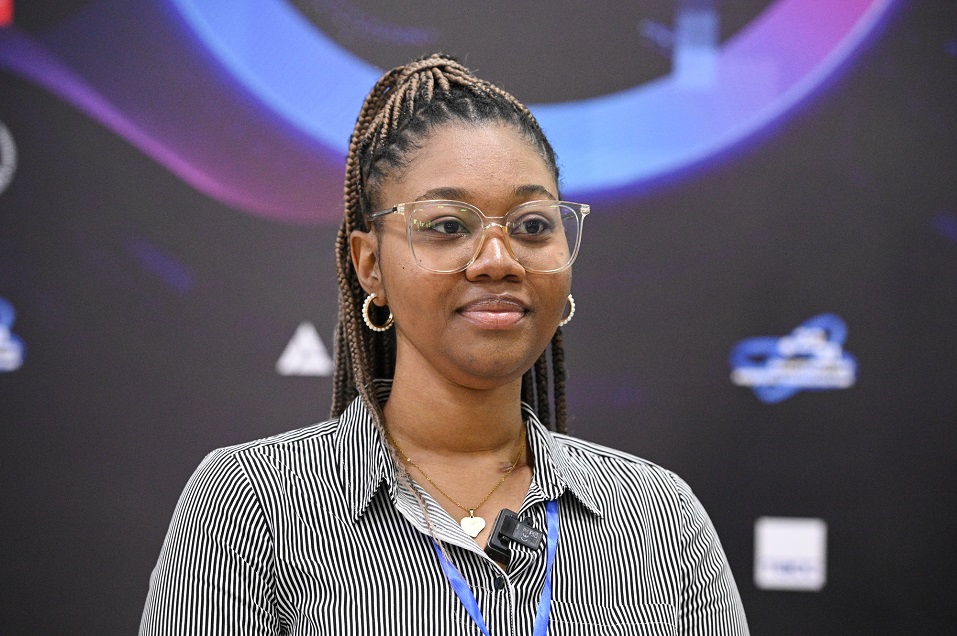
Joseph Meritsa Dominik
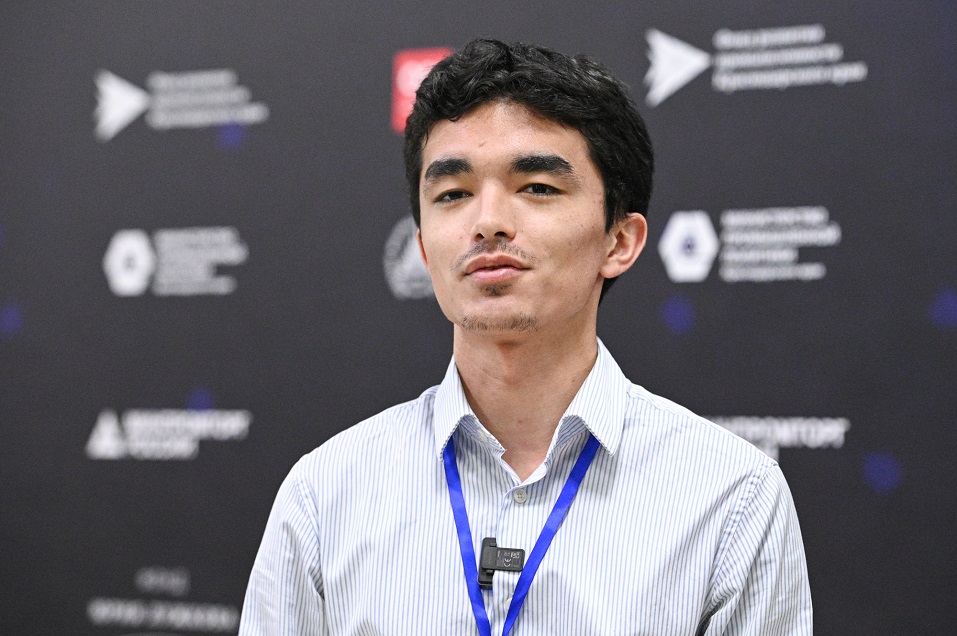
Farhod Sidikov
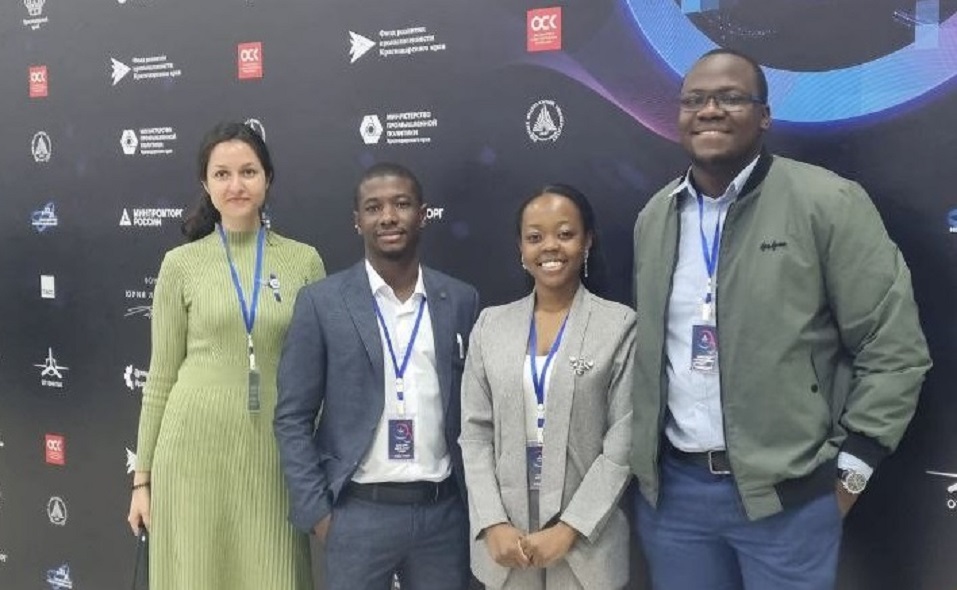
Team of the Faculty of Economics

Kasonde Aaron Mwewa
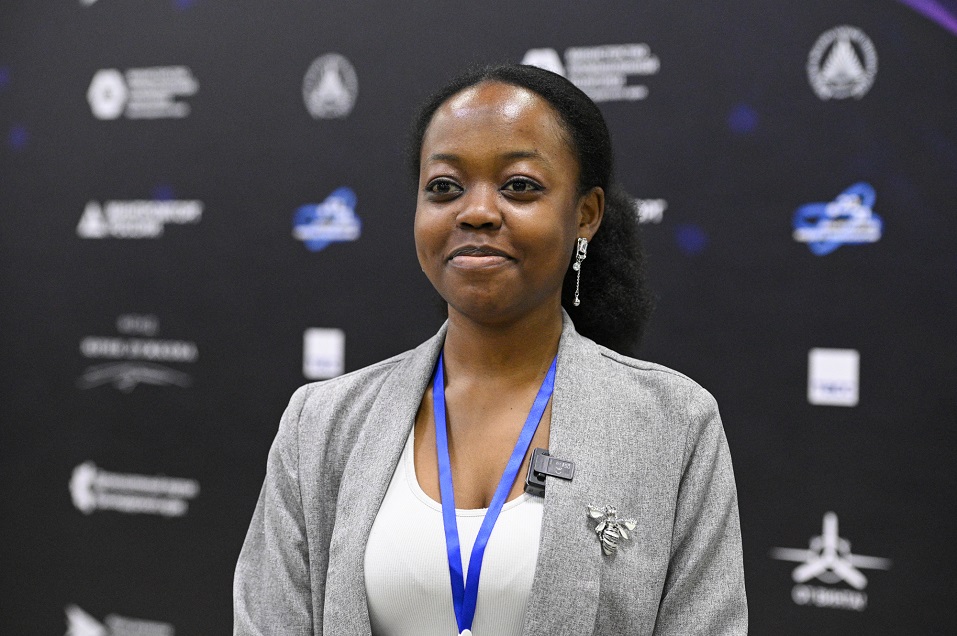
Chanda Bwalya
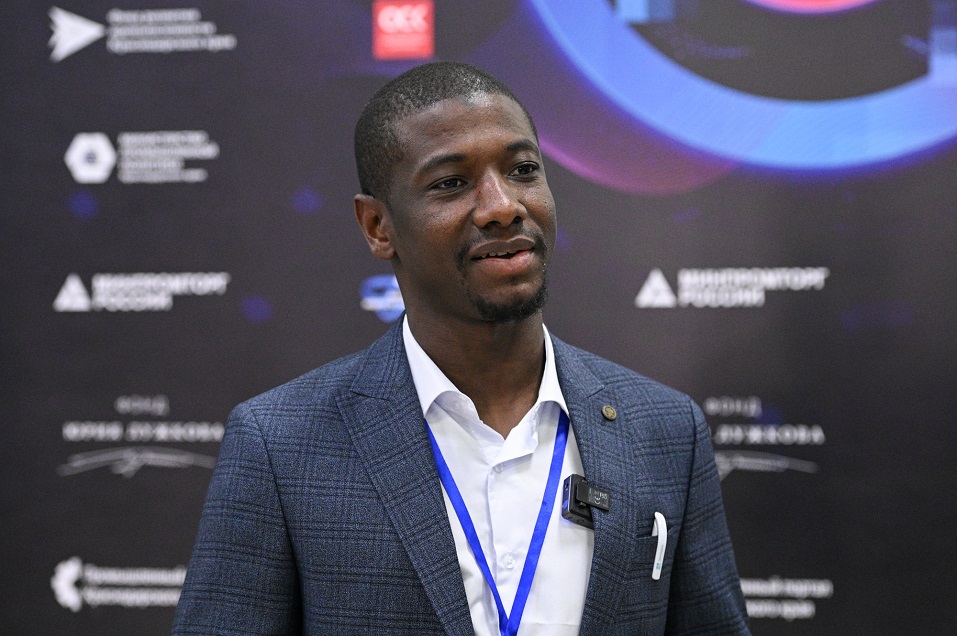
Diallo Abubakar Sidi
In the last five years, academic staff of RUDN alongside the Chinese universities and research centers has achieved impressive results. More than 1,000 scientific publications were made jointly in a wide spectrum from engineering and technology to medicine and social sciences. 19 of these materials were published in top-rated journals which verifies that the works were world-class level.
RUDN University has been included among the leaders in the BRICS ESG University Ranking among 65 leading universities. They were assessed on 20 criteria, ranging from education and research to environmental and social agendas.
At a meeting of the new RUDN University Dissertation Council in the specialties of 2.1.12 “Architecture of Buildings and Structures. Creative Concepts of Architectural Activity” and 2.1.11 “Theory and History of Architecture, Restoration and Reconstruction of Historical and Architectural Heritage”, three postgraduate students — Natalia Kalinina, Evgeny Ogienko, and Yulia Loginova — were awarded PhD degrees in Architecture for the first time in the university's history.