


RUDN University biochemists linked polyphenols in peach leaves to the antioxidant effect of their extract
RUDN University biochemists linked polyphenols in peach leaves to the antioxidant effect of their extract

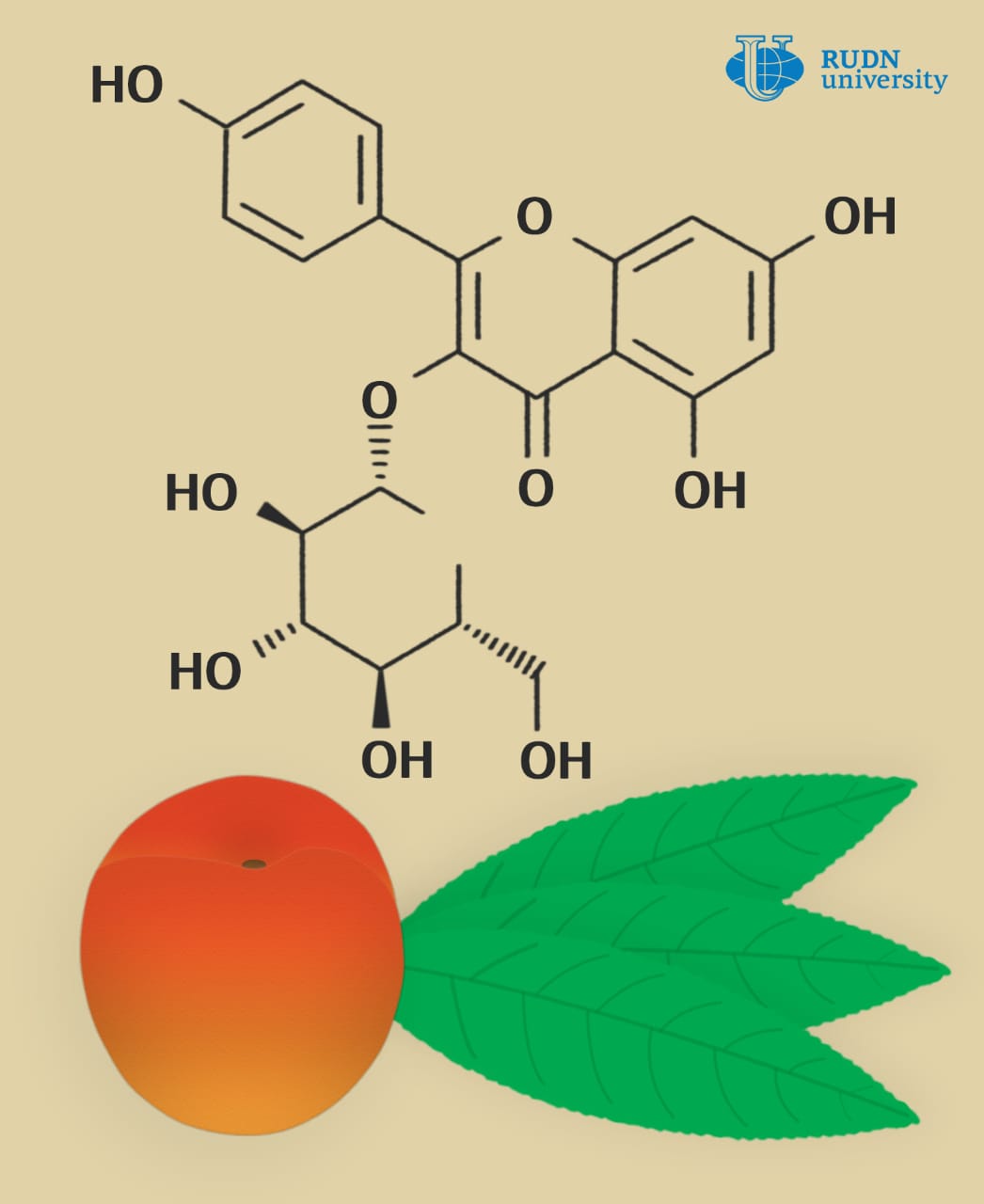
Biochemists from RUDN University determined which substances in peach leaves provide the antioxidant effect their extract has. They investigated the composition of the powders obtained from leaves of several varieties of peach and found that high polyphenol content correlates with antioxidant properties. The results will help start production of antioxidants from natural sources.

Peach leaves are often used in folk medicine: for example, their infusion is used for gastritis, chronic bronchitis, and whooping cough. The therapeutic effect may be associated with the antioxidant effect of phenolic compounds in the leaves, for example, caffeic acid, chlorogenic acid, p-coumaric acid, kaempferol, quercetin, and others. The composition of peach fruits has been well studied, but there are few studies devoted to other parts of the plant, for example, leaves. Also, the composition and antioxidant properties of leaf extracts of different peach varieties have never been compared before.

Elena Pakina, associate professor of the Agrarian and Technological Institute of RUDN University, and her colleagues obtained an extract of dried leaves of seven peach varieties growing in Algeria. Varieties that differed from each other in the size and colour of the fruit were selected for research: Cardinal, Flavorcrest, Red Top, Spring Belle, Dixired, Romea, Tebana. The substances extracted from the leaves were separated using chromatography. The researchers then evaluated the content of phenolic compounds using spectrophotometry, and the total content of flavonoids using colorimetric analysis. The composition of the extracts was determined using mass spectrometry.

At the next stage, the biochemists evaluated the antioxidant capacity of the extracts, using DPPH analysis (2,2-diphenylpicrylhydrazyl, when reduced, transforms to a form coloured in yellow), ORAC methods (in which the loss of fluorescence by fluorescin indicated the presence of a peroxide radical), PFRAP (based on the reduction of Fe3+ ions to Fe2+ ions), and some others.

Fourteen phenolic compounds were found in the leaf extract of all seven peach varieties, which belong to two groups: hydroxycinnamic acids (chlorogenic and dicaffeoylquinic) and flavonols. Peach varieties can be divided into two groups, according to the content of phenolic compounds. The first one includes varieties with high concentration of active substances. The content of phenolic compounds in the dry extract of Romea and Red Top varieties varies from 386.5 to 392.2 milligrams per gram, for Dixired, Flavorcrest, and Tebana varieties this value is slightly lower and ranges from 320.6 to 346.6 milligrams per gram. The second group includes Cardinal and Spring Belle varieties, with concentration of 140 and 146 milligrams per gram, respectively.

In most tests, leaf extracts of Red Top and Romea varieties were the most active. The researchers found that the antioxidant properties of peach leaves are directly proportional to the total concentration of phenolic compounds.

The results of the study show that peach leaves can serve as a reliable source of natural antioxidants and the basis for the development of drugs for diseases associated with oxidative stress.

The article was published in the International Journal of Mass Spectrometry.

News
All news
Science
06 Apr
RUDN and China: Science beyond borders

In the last five years, academic staff of RUDN alongside the Chinese universities and research centers has achieved impressive results. More than 1,000 scientific publications were made jointly in a wide spectrum from engineering and technology to medicine and social sciences. 19 of these materials were published in top-rated journals which verifies that the works were world-class level.

Science
25 Mar
RUDN University Among the Leaders in the BRICS ESG University Ranking!

RUDN University has been included among the leaders in the BRICS ESG University Ranking among 65 leading universities. They were assessed on 20 criteria, ranging from education and research to environmental and social agendas.

Science
25 Feb
New housing types and the search for balance: RUDN University hosts first PhD defenses in Architecture

At a meeting of the new RUDN University Dissertation Council in the specialties of 2.1.12 “Architecture of Buildings and Structures. Creative Concepts of Architectural Activity” and 2.1.11 “Theory and History of Architecture, Restoration and Reconstruction of Historical and Architectural Heritage”, three postgraduate students — Natalia Kalinina, Evgeny Ogienko, and Yulia Loginova — were awarded PhD degrees in Architecture for the first time in the university's history.